Contemporary Ceramics is excited to present New Members of the Craft Potters Association. As part of this group exhibition, we delve into the artists’ creative process and learn more about how they work. The exhibition runs from the 5th – 28th February 2026.
Judy McKenzie

The Exhibition
Contemporary Ceramics: How has your work grown or changed for this exhibition?
Judy McKenzie: My work is continually evolving. I have been practicing Nerikomi since 2018, so I am a relative newcomer to this fascinating process. My work takes me on journeys I could never have predicted when I first started, and I hope that journey is apparent to my audience.
On Change and Commitment
Contemporary Ceramics: After a long career in design and printing, you made the decision to return to education and pursue ceramics later in life. What did that shift give you creatively, and how did it change the way you approach making?
Judy McKenzie: My return to ceramics was a huge shift for me creatively. Once in love with clay, always in love with clay! My decision to return to education allowed me to focus on my need to be creative. It has been a life affirming decision for me.

On Dialogue with Material
Contemporary Ceramics: You describe Nerikomi as a dialogue between maker and material, where control and unpredictability coexist. What keeps you engaged with this tension, and how do you know when to let the clay lead?
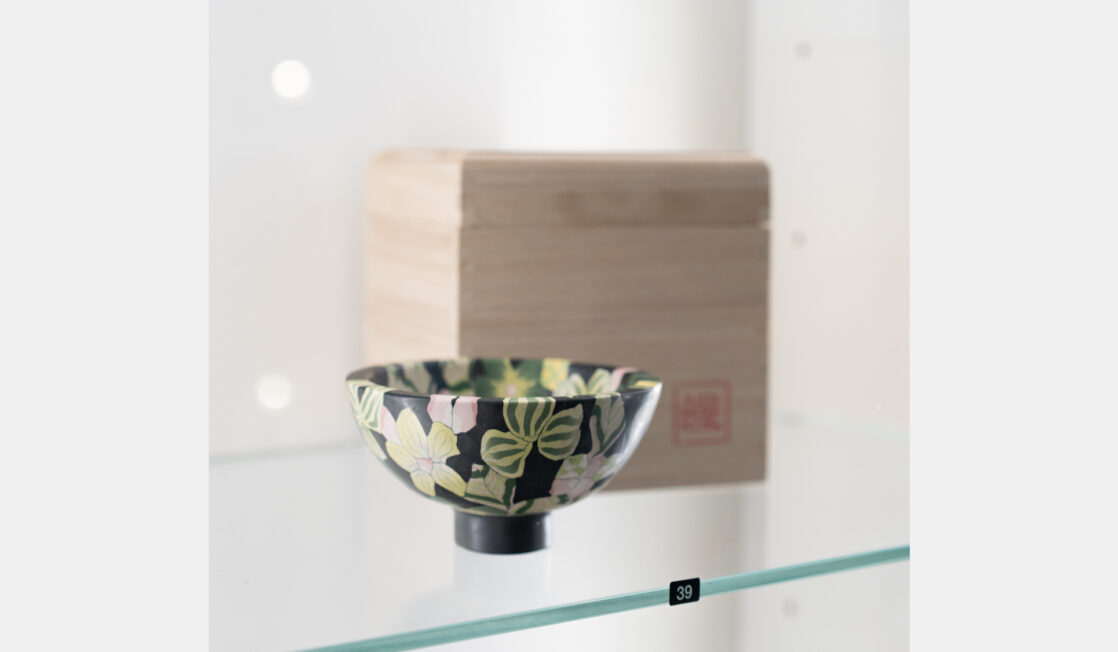
Judy McKenzie: Nerikomi as a technique is unpredictable, frustrating at times but always very rewarding. I don’t always achieve what I expect to achieve, but that in itself has its merits. I have no option but to let the clay lead. I am asking too much of it at times, and it will let me know. The uniqueness of each piece is captivating!
On Imperfection and Meaning
Contemporary Ceramics: Kintsugi plays a powerful role in your work by embracing damage and repair. How has working with breakage and mending influenced the way you think about value, fragility, and what makes an object worth treasuring?
Judy McKenzie: I am asking too much of the clay to expect it to be consistent and achieve reliable results every time. To give up on a piece of work because the technique has resulted in tears in its fabric would be a terrible shame and a huge waste of resources. Nerikomi is an incredibly time-consuming process. But that is just the practical answer, the fragility of the process is to be embraced and celebrated too. If tears do occur then highlighting the repair with my interpretation of a gold or silver Kintsugi or Gintsugi mend is all part of the history of the piece in question. Kintsugi embraces fragility and imperfections and the mending process mirrors the very human understanding of healing and repair.

On Growth and Development
Contemporary Ceramics: How has your practice changed over time? What has been a seminal and/or inspirational moment?
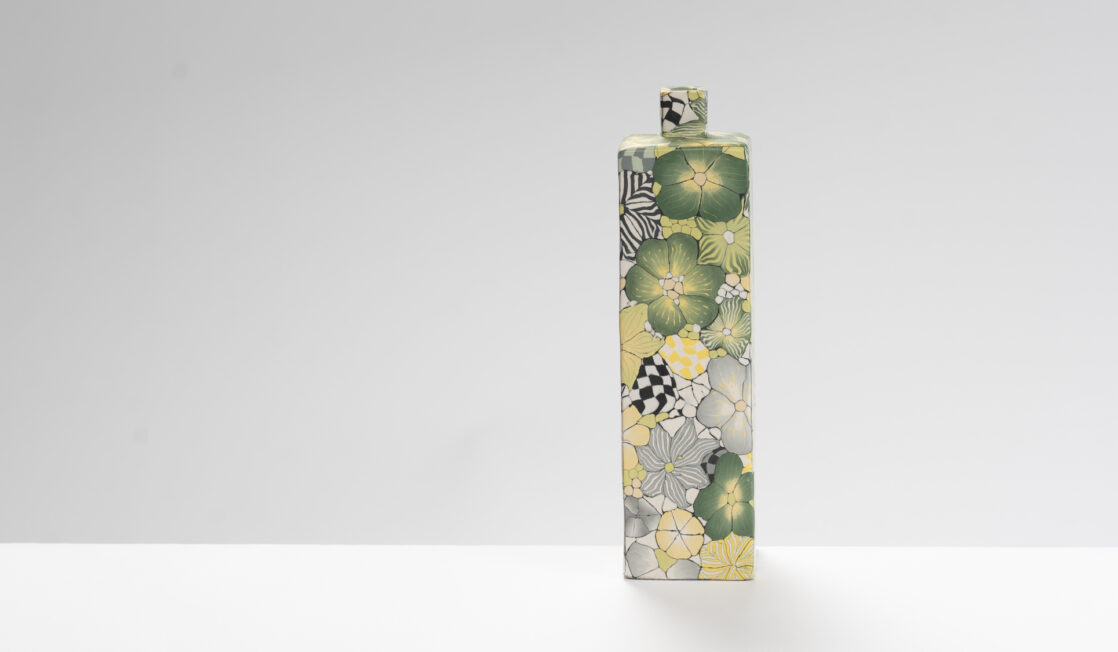
Judy McKenzie: My practice is continually changing. Seminal moments occur regularly, as I am evolving and gaining confidence with the technique almost on a daily basis. Inspiration is from the world around me, so that is pretty constant factor too.