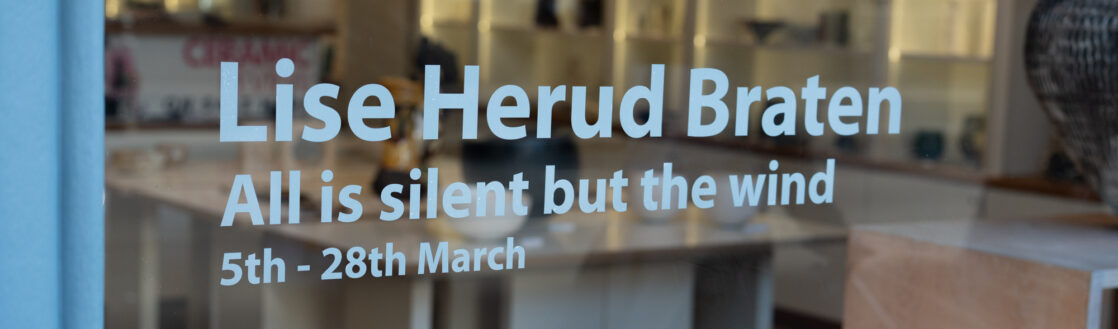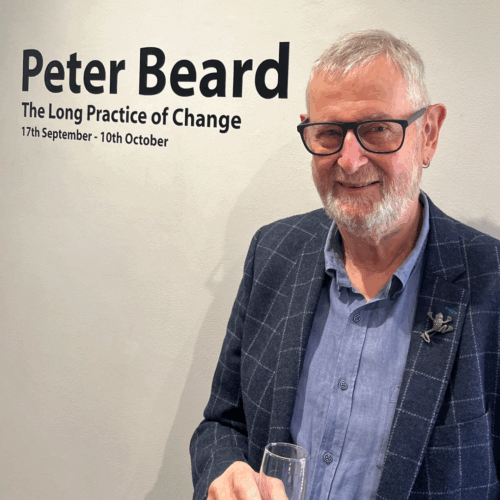
We’re so pleased to welcome Lise Herud Braten to Contemporary Ceramics. In this conversation, we sit down with Lise to hear about her creative journey — what inspires her, how she works, and what this exhibition means to her. Her solo show runs 5–28 March 2026, and we hope you’ll join us in getting to know her a little better.
The Exhibition
Contemporary Ceramics: The title of your exhibition, All is silent but the wind, evokes a very particular feeling — vast space, stillness, and quiet drama. How did you arrive at this title, and do you feel the works in the show collectively tell a story?
Lise Herud Braten: I took a long while to settle on the title, as I wanted something that reflected exactly this particular feeling of stillness and emptiness in the vast open mountain landscapes of my childhood in Norway. When you hike for a whole day, often not seeing another human, taking in these enormous views, it’s easy to feel like there is nothing out there.
The title is a reminder to take notice, let the silence make you still enough to really listen to the sounds of the wind, and rather than emptiness, notice all the little details all around you. There are so many beautiful textures and colour combinations, tiny plants, and many animals that thrive without making a big show of it. In our busy lives filled with a constant barrage of noise and visual stimulation, this stillness is not just an important counter balance for me, it’s an essential part of my life. I hope that the works in the exhibition all together form a journey through these landscapes, and offers time and space to pause, reflect, listen and look.
On Practice
Contemporary Ceramics: How has your practice evolved over time, and has there been a particular moment, an exhibition, an artist, or an experience that fundamentally shifted the direction of your work?
Lise Herud Braten: I started out on a short, intensive throwing course, and instantly fell in love with the wheel. Unlike most people, I never even pinched or built a coil pot for several years. After a while I started to feel constrained by the wheel, by its limitations in terms of what shapes you could make, and the search for perfection that is a natural part of wheel throwing. The key to being able to change my practice came in the form of a week-long course with Japanese artist Shozo Michikawa, who uses the wheel merely as a tool, rather than letting it dictate that you have to make round things. It was very freeing, and a real eye-opener in terms of what it was possible to create in clay. These thoughts and ideas have gradually changed the way I work, and given me the freedom and confidence to work in a more organic way.
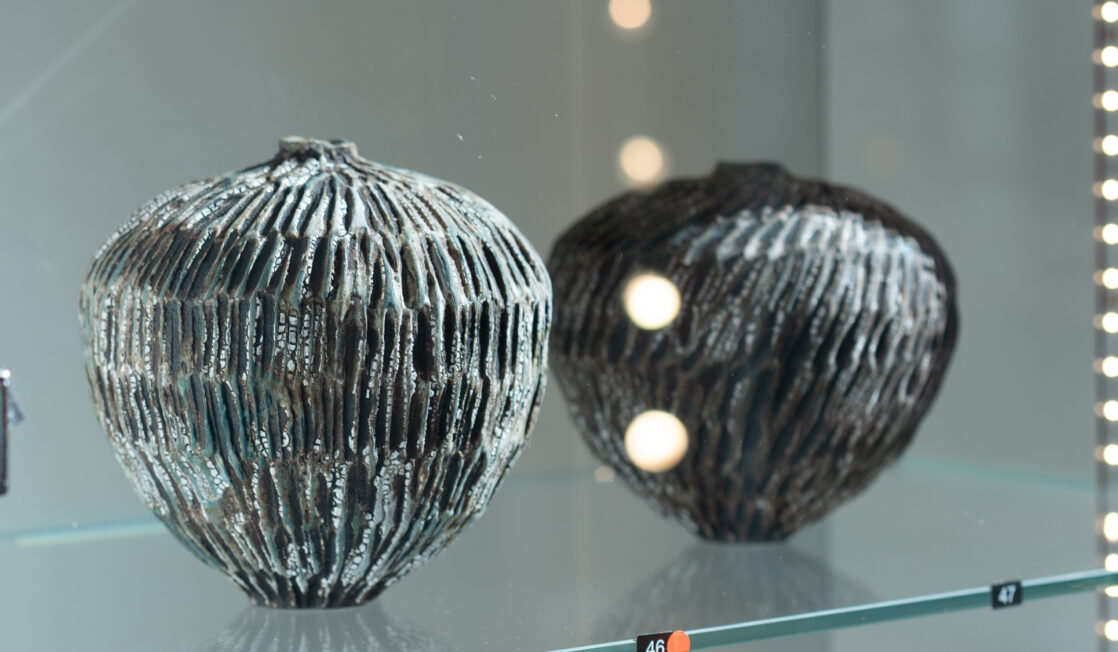
On Connections between place, memory and making.
Contemporary Ceramics: Your work feels deeply rooted in memory and landscape, particularly the rugged terrain of Norway where you grew up. How do those early experiences continue to influence the shapes and surfaces of your pieces today?
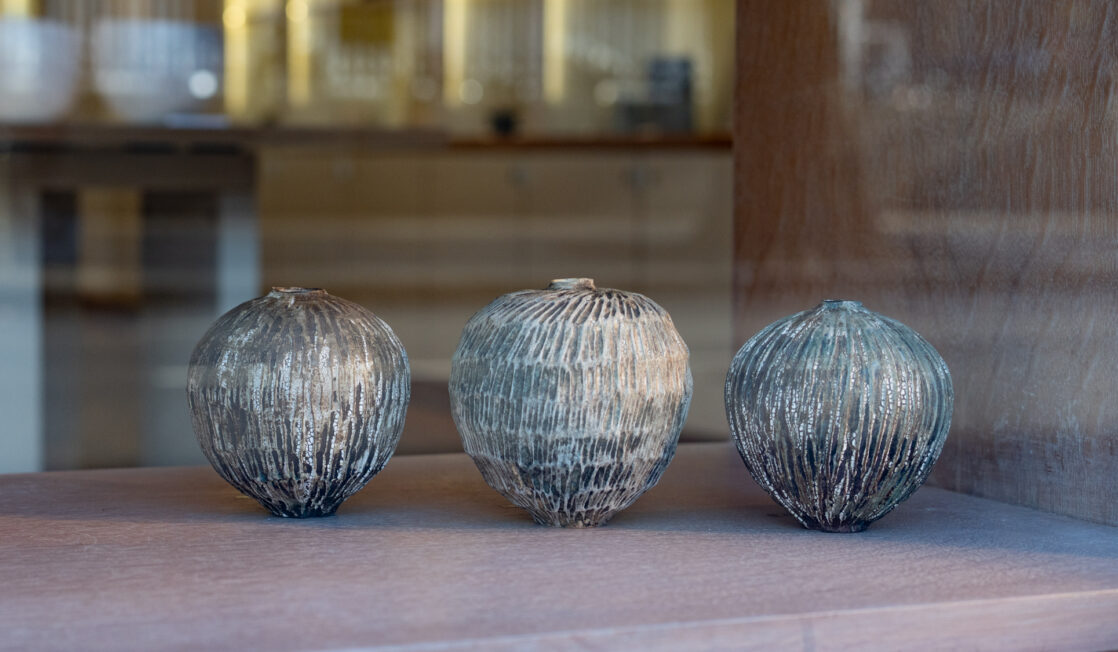
Lise Herud Braten: Not long after I started making ceramics, I realised it was the perfect way to connect me back to this landscape which I love and miss, and which is such a big part of who I am. It’s not just the picturesque beauty, but the sense of freedom, calm and quiet contentment, away from the cacophony of modern life, that has always been so important to me. I try to go back as often as I can, and always come away feeling energised and inspired, and with a camera roll full of new images.
I have lived in London for a very long time, and find that city life can often feel a bit hemmed in, hectic and intense. Working with clay helps bring me back to how I feel when I’m there, and I hope that through my work I can convey some of the stillness and freedom of the mountains for others to enjoy too. I never try to copy or directly recreate a particular aspect or detail of it, but rather instill some of its essence into the pieces.
A balance between intention and spontaneity.
Contemporary Ceramics: Your process involves combining multiple techniques, throwing, manipulating, carving, and layering surfaces across several firings. At what point in that process do you feel a piece truly becomes itself, and how much do you embrace the unexpected?
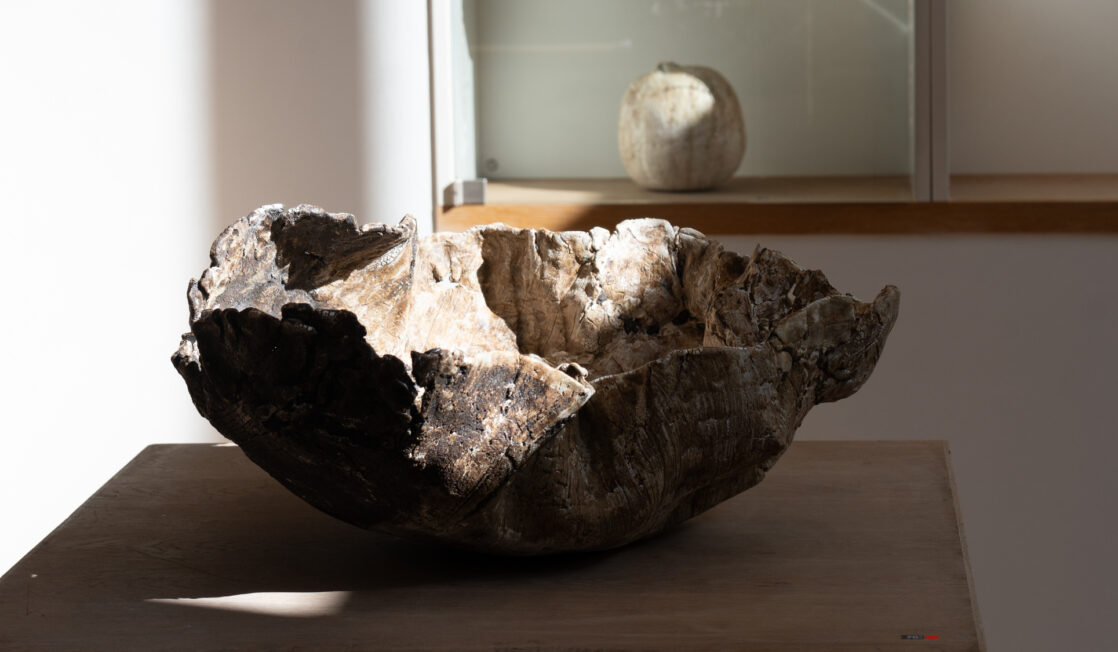
Lise Herud Braten: Over time, my working process has become more and more free, and although I still use the wheel a lot, I don’t see it as anything other than a tool, a starting point. I never finish a piece by turning it on the wheel, as this doesn’t give me the organic and natural result that I like. Instead, I carve by hand, manipulate the thrown starting point almost to the point of collapse before trying to freeze that particular moment in time, or add hand-built elements to alter the shape.
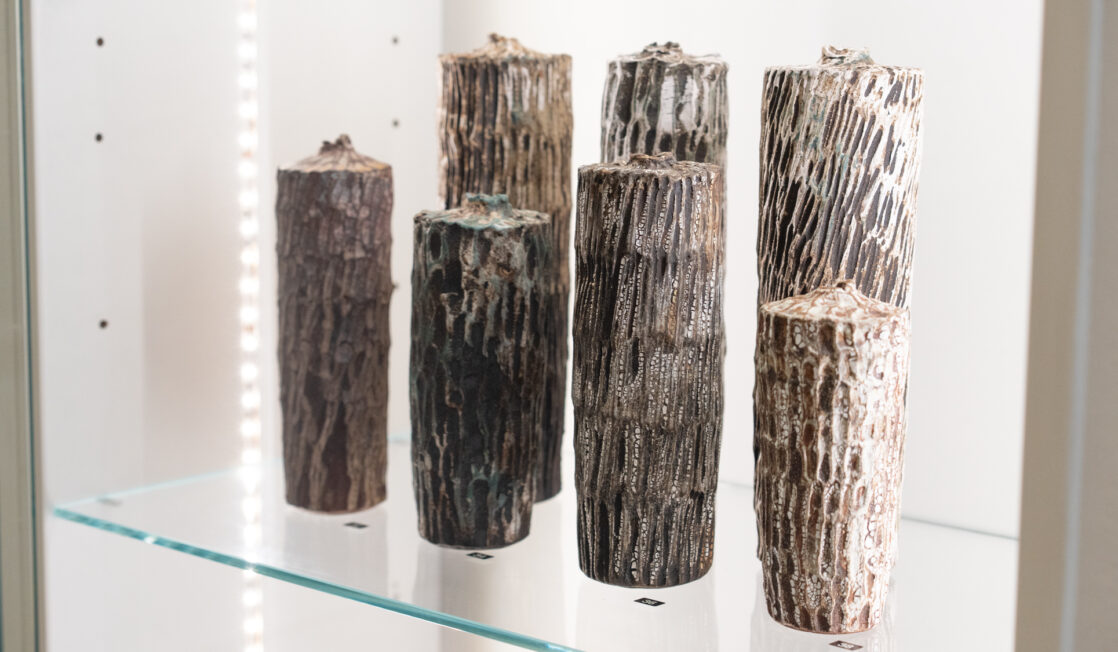
I also work with textured and stretched slabs, building sculptural forms completely freehand without pre-formed patterns or moulds. I embrace unpredictability and change along the way, preferring to see how things develop naturally and respond to the process. If I don’t feel like a shape is working, I will break it apart, add new elements, bash it around a bit, and just see what happens. There’s usually a moment when things just suddenly feel right, and it’s time to stop. If this doesn’t happen, nothing’s lost as the clay can be reclaimed and I can start all over again.
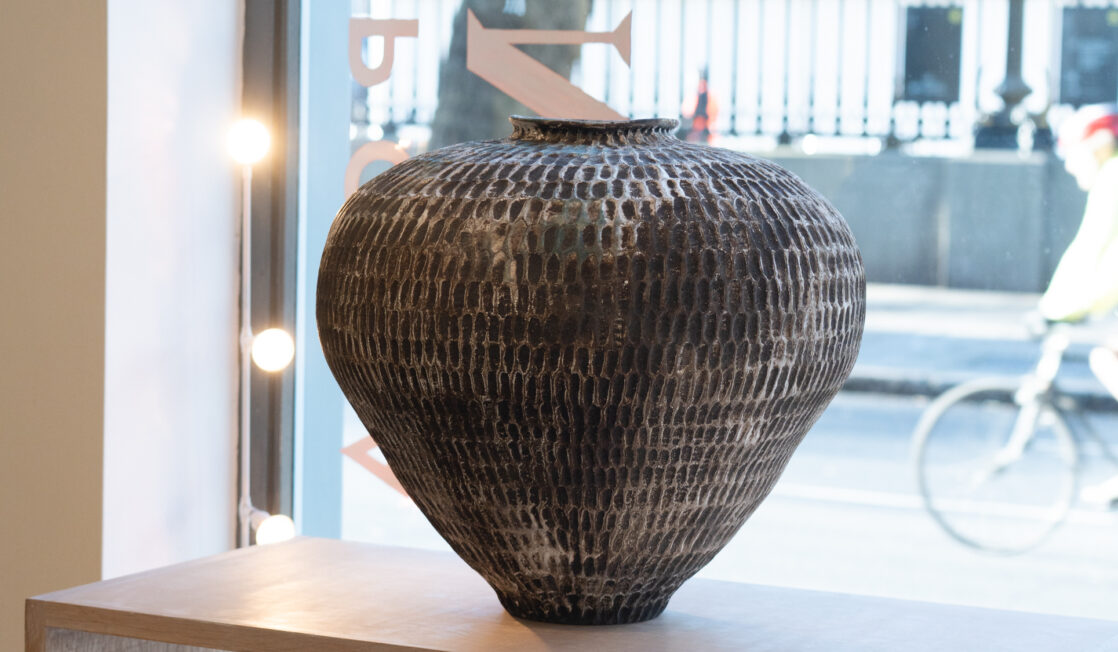
The relationship between process and outcome.
Contemporary Ceramics: You work with a rich variety of materials, porcelain, stoneware, slips, oxides, glazes and natural ash, building up layers between multiple firings. How do you decide when a piece is truly finished, and does that ever surprise you?
Lise Herud Braten: I mainly work in stoneware, and use a few different ones, but will also occasionally make in porcelain, or mix a proportion of porcelain into the stoneware to give me a different kind of feel and expression. The background colour of the clay is like the first base layer of a painters canvas, and the various clays respond differently to the glazing materials layered on top. I work intuitively, from notes and experience but always experimenting and trying new combinations.
Once through the first glaze firing, I often have to sand off loose parts as some of my formulations are too dry to fully adhere. It’s at this point I decide if I like the piece or if it needs more work, more depth. If I like a shape I generally don’t give up on it even though the glazes don’t seem to be working. Sometimes it just sits in a corner for a few months, and then I try something else and can end up with an unexpected and very interesting result. Some of my favourites are the ones I’d never be able to recreate as I simply can’t explain how they ended up as they did.
In the studio
Contemporary Ceramics: Your studio walls often tell their own story, what images or objects keep you company when you work, and do you find yourself drawing inspiration from outside the world of ceramics?
Lise Herud Braten: Perhaps surprisingly my studio walls are very bare. I have a huge image library from all my visits to Norway at all times of the year, but prefer not to be surrounded by them, but rather work from my memories. What I try to do is not to copy or be inspired in a literal way, but rather to give the work something of an atmosphere, a feeling, something less tangible. The only objects I have around are a few little rocks, some bits of wood and twigs covered in lichen, and my test tiles.
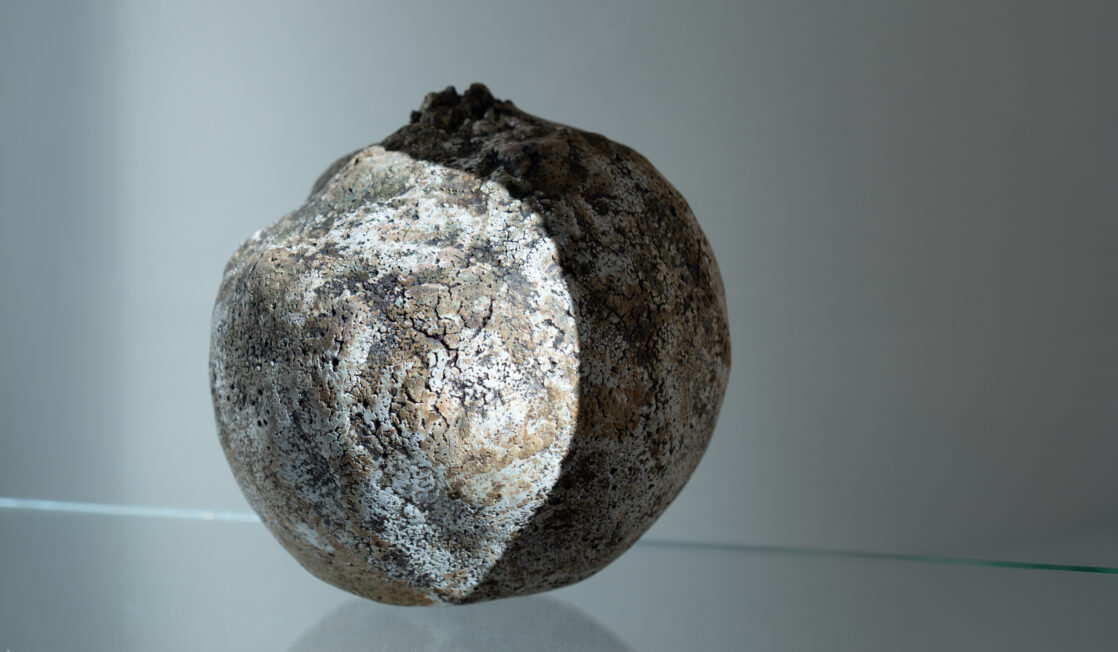
In terms of other sources of inspiration I tend to look less at other ceramicists, and more at artists working in wood, metal, textiles and painting. I also have a passion for architecture, gardens and music, especially how these man-made environments can evoke feelings and atmospheres in a similar way the landscapes, and to what I try to do.
On Clay
Contemporary Ceramics: Clay is very much a physical, tactile practice, do you find that working with it shapes the way you move through the world beyond the workshop?
Lise Herud Braten: I’ve always loved making things, from a very early age I was whittling wood, making constructions out of cardboard and found objects, knitting and sewing. Working with my hands using natural, tactile materials is who I am, and have always shaped my journey I think. It makes me happy, grounded, and keeps me on my toes. It’s a lifelong learning process, with endless possibilities for expression.