


Contemporary Ceramics gallery and shop exhibits the greatest collectable names in British ceramics along with the most up and coming artists of today. Our distinguished makers are all carefully selected members of the Craft Potters Association.
All of our makers are members of the Craft Potters Association and each of them have a story to tell.

Marcio Mattos became fascinated with clay after seeing an exhibition of tea ceremony bowls at the V&A museum many years ago. He went on to train at Richmond College and later for a degree at Goldsmiths College. He presently creates one-off sculptural vessels and plaques in black stoneware and porcelain paper clay with dry-glazed textural surfaces and brushed decoration.

Clare Conrad's work is an exploration of colour and texture, inspired by the effects of light and ageing on architecture, artefacts and landscape. Her technique of layering vitreous slip onto wheel-thrown vessels, vases and bowls creates a rugged texture.

Suzanne began working with clay while accompanying her husband during their years living in the Middle East in the 1960s and 70s. She came to make clay her home ground and something she could take with her wherever she lived.
She discovered Oribe ware – Japanese tea ceramics associated with the Kaiseki meal and tea ceremony – whose glazes and playful geometric decoration greatly influenced her aesthetic. She ultimately decided to import English porcelain clay so she would have continuity wherever she worked and for the same reasons travelled with a small electric kiln.

Claudia trained as a painter but transferred to pots because she found the turning surface sympathetic to an unfolding visual narrative. Stories are her raw material - both her own and other people's, also fictional stories, songs, and poetry. The human, cultural, and historic associations of pottery connect particularly well to the work she does interpreting women’s histories and contemporary lives. The nature of pots is that they can break, and so can be mended. This she finds to be a compelling metaphor for both trauma and survival - the mending has an optimistic quality.

David had no artistic or ceramic history in his family, nor did he formally study ceramics. He discovered ceramics by accident as an element in his teaching degree whilst at Bretton Hall in the late 1960s. Similarly, his work in raku was appropriately the result of a serendipitous encounter with an American raku potter in the mid-1970s. David states that due to persistence, natural talent and support from colleagues, friends, and family, especially his wife Jan, over the past 40 years he has established himself as a leading international practitioner in raku ceramics.
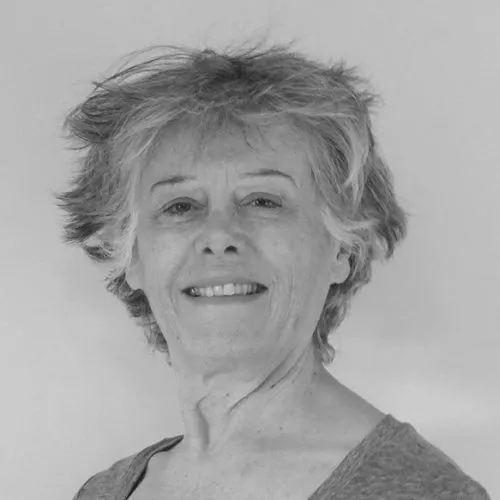
For this new exhibition, Jane will be showing a group of hemispherical double walled bowls mixed with different organic and man-made materials collected randomly, each a metaphor for memory and words. Using combinations of press moulding, coiling and slabbing processes before burnishing the surface, her pieces are then low fired and then refined with sandpaper followed by a higher temperature firing.