


Contemporary Ceramics gallery and shop exhibits the greatest collectable names in British ceramics along with the most up and coming artists of today. Our distinguished makers are all carefully selected members of the Craft Potters Association.
All of our makers are members of the Craft Potters Association and each of them have a story to tell.
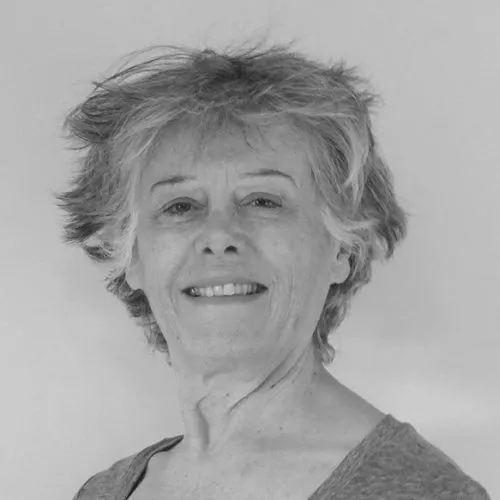
For this new exhibition, Jane will be showing a group of hemispherical double walled bowls mixed with different organic and man-made materials collected randomly, each a metaphor for memory and words. Using combinations of press moulding, coiling and slabbing processes before burnishing the surface, her pieces are then low fired and then refined with sandpaper followed by a higher temperature firing.
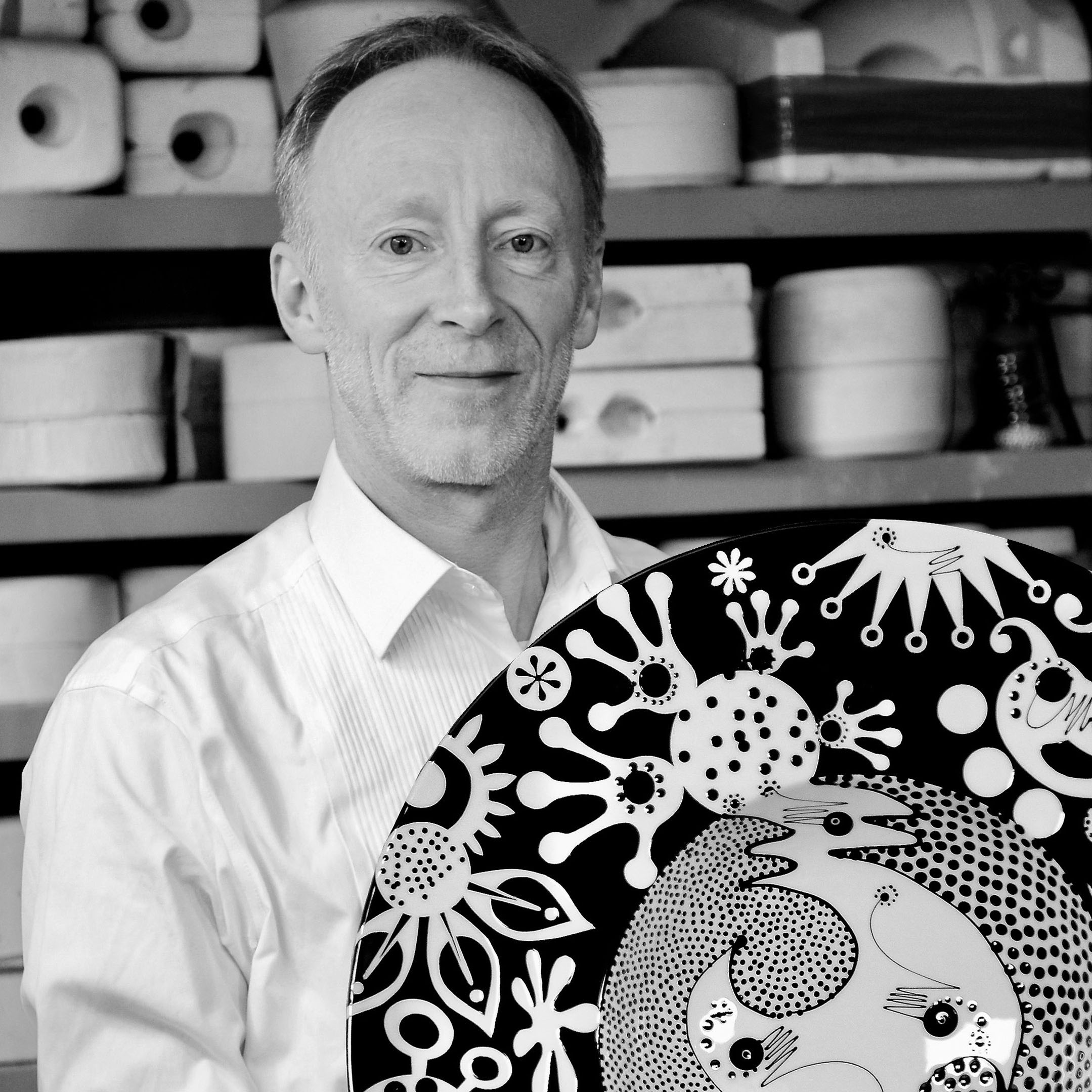
Mark makes black and white domestic slipware using a combination of traditional craft and modern industrial ceramic techniques, in a contemporary take on Staffordshire slipware. Currently, he is developing his tableware and large functional work into sculptural one-off pieces.
These include slab built, stacked designs for sculptures which depend on gravity to interlock. He is also experimenting with platinum lustre transfers to exploit the differing reflective qualities of glazed and lustred surfaces.

The passage of time and change observed in urban and rural landscapes has always been central to the themes Dennis explores in his work. The process of archaeology and its concern with time and layers has also greatly influenced the way in which he expresses his ideas. Architectural fragments, marks on the landscape, multi-layered and over painted surfaces, have all influenced the way he works in clay.

Growing up in communist Poland, Ania’s everyday life was underpinned and surrounded by stark, grey concrete structures – brutal, imposing, and unavoidable. This architecture was raw, substantial and woven into the history and fabric of the country and her upbringing.

Emma’s ceramics practice is built on notions of what is known as Emotionally Durable design. She uses the making language of ceramics and a design sensibility to make work which is contemporary and relevant over time.

Bridget started making pots full-time while living in Scotland in 1976. At first, she made domestic stoneware, firing in a gas kiln and gained skills in all aspects of pottery. Having had no formal training Bridget’s determination and hard work meant she gradually developed her own technique.
She has always loved porcelain and gradually changed over to this material finding that it suited the style of work she was searching for. Eastern ceramics were very influential and she loved the Chinese and Korean shapes and glazes.